High-precision uPVC window systems engineered to exceed international architectural benchmarks for air permeability, wind load, and structural integrity.



Scaling precision engineering and sustainable envelope tech across global supply chains since 2011.
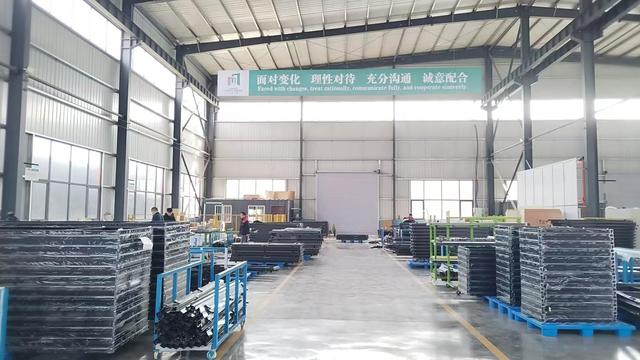
Shenzhen Nova Panel Co., Ltd. is a professional uPVC Window Manufacturer specializing in energy-efficient window systems, custom architectural glazing solutions, and OEM/ODM production services for residential, commercial, and construction projects worldwide. Established in 2011, the company is headquartered in Shenzhen, China, with a modern manufacturing facility covering more than 12,000 square meters and a workforce of over 220 employees.
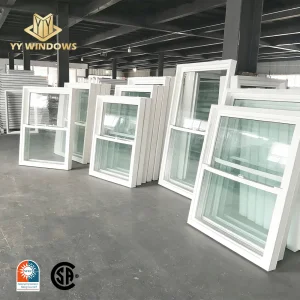
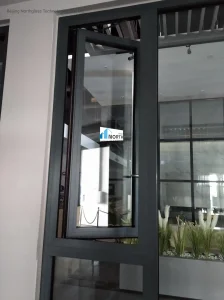
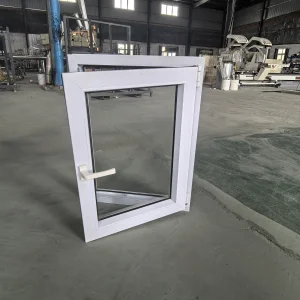
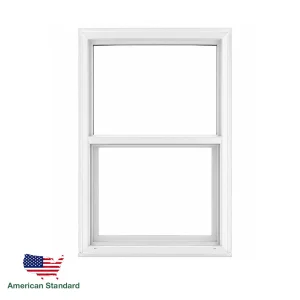
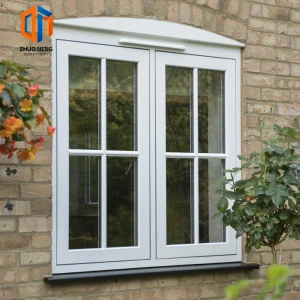
Nova Panel focuses on the design, engineering, and production of high-performance uPVC window systems that meet the evolving demands of modern construction. Its product portfolio includes casement windows, sliding windows, tilt-and-turn windows, awning windows, fixed windows, soundproof windows, thermal insulation windows, and customized architectural window solutions. The company serves property developers, contractors, distributors, wholesalers, and building material suppliers across global markets.
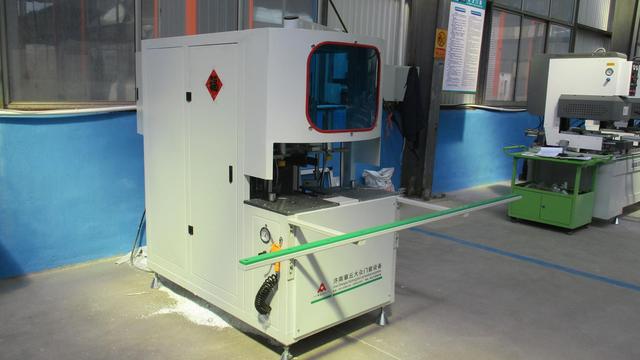
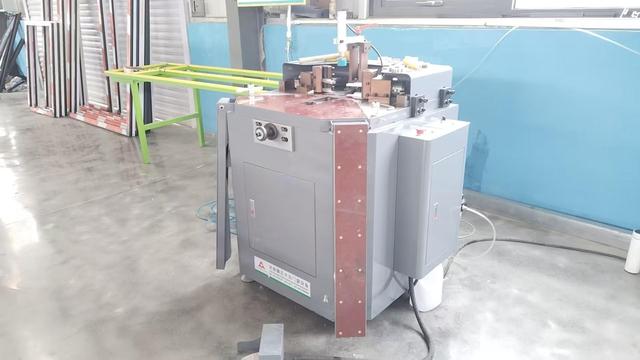
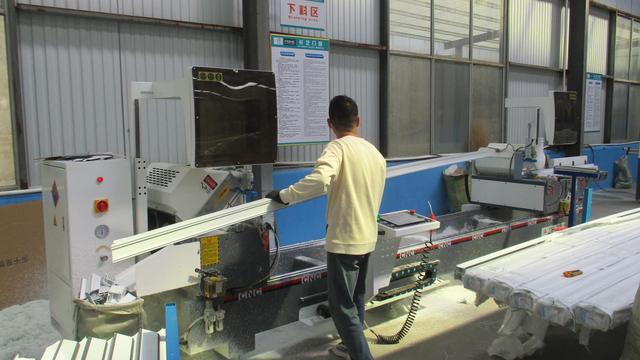
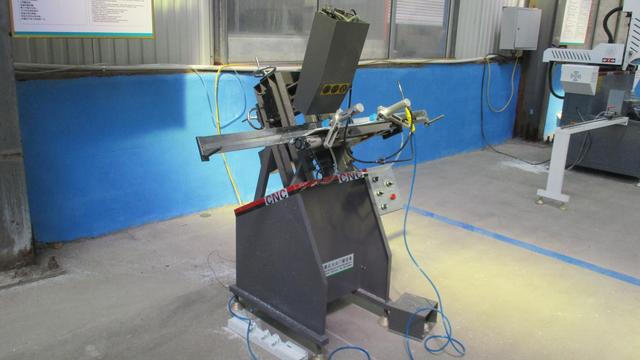
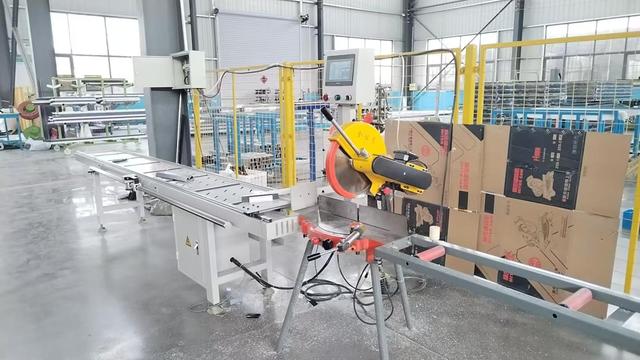
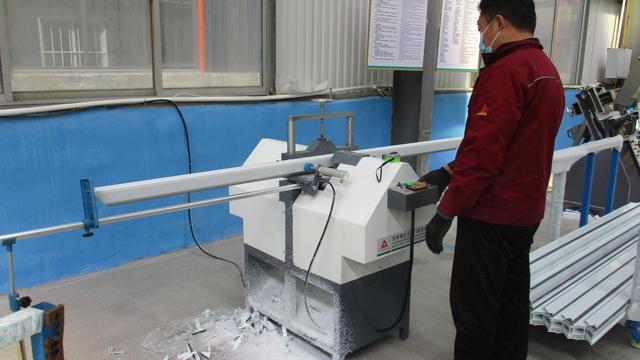
Equipped with advanced extrusion processing, precision cutting, automated welding, and quality inspection systems, Nova Panel maintains strict manufacturing standards throughout every stage of production. The company emphasizes durability, weather resistance, energy efficiency, and long-term performance to support sustainable building practices and improve indoor comfort.
A dedicated engineering and project management team collaborates closely with customers on product customization, including frame profiles, glazing configurations, hardware selection, surface finishes, colors, dimensions, and packaging requirements. This flexible manufacturing approach enables Nova Panel to support both small-scale developments and large-volume construction projects.
Committed to innovation and quality management, Shenzhen Nova Panel Co., Ltd. continuously invests in production technology and product development to meet international market requirements. Today, its window systems are exported to North America, Europe, the Middle East, Southeast Asia, Australia, and other regions, providing reliable and energy-efficient solutions for a wide range of residential and commercial applications.
Meeting ultra-low energy architecture guidelines (Passive House & Net-Zero) with intelligent unplasticized PVC profiles.
Multi-chamber uPVC cross-sections with galvanized steel reinforcements cut thermal conductivity down to Uf ≤ 0.9 W/(m²·K). Paired with Low-E triple-glazing and warm edge spacers, the systems minimize thermal bridging in continental and extreme arctic climates.
Through asymmetrical acoustic laminated glass panels, multiple EPDM co-extruded gaskets, and precise perimeter compression mechanics, our smart window systems provide sound attenuation ratings up to Rw 45 dB for airports, urban corridors, and transit-adjacent developments.
Specifically rated for high wind loads (ASTM E330 up to DP70 and EN 12210 Class C5). Engineered internal steel stiffeners eliminate lateral deflection during tropical typhoons and severe coastal wind-driven rain events.
The shift toward IoT-integrated smart fenestration systems and precision extrusion supply dynamics.
The global architectural smart window market is projecting an 11.4% CAGR. Driven by corporate net-zero targets and mandates like the European EPBD, conventional envelopes are giving way to automated sash drives, electrochromic dynamic glass, and integrated environmental sensors.
China leads international vinyl fenestration manufacturing through automated CNC extrusion lines, proprietary UV-stabilizing stabilizer matrices (non-heavy-metal calcium-zinc), and end-to-end hardware manufacturing hubs, yielding 30-40% cost advantages without performance compromise.
Modern uPVC compounds allow up to 7-10 closed-loop recycling iterations without molecular degradation. Shenzhen Nova Panel adheres strictly to low-embodied-carbon post-industrial recovery, conforming to ISO 14040 life cycle assessments (LCA).
Engineered to integrate smoothly with national building regulations, coastal wind standards, and structural testing guidelines.
Certified to AAMA/WDMA/CSA 101/I.S.2/A440-11. Strict NFRC compliance with low U-Factor and Solar Heat Gain Coefficient (SHGC) limits tailored for Energy Star Version 7.0 zones.
CE marked according to EN 14351-1:2006+A2:2016. Testing verifies airtightness (EN 12207 Class 4), water tightness (EN 12208 Class 9A), and wind load resistance (EN 12210 Class C5/B5).
Engineered for cyclonic zones C and D. Compliant with AS 2047-2014 and AS 1288 safety glazing criteria, passing extreme ultimate deflection and cyclonic debris impact testing.
Classified for Severe Climate (Class S) profile formulations based on ISO 4892. Retains high gloss, mechanical tensile strength, and impact resistance across prolonged 50°C+ ambient exposure.
Engineered architectures matching varied commercial footprints, residential developments, and high-spec public structures.
Multi-chamber vinyl frames integrated with hidden tilt-and-turn gearings, flush concealed hinges, and smart automated motorized opening drives for automated night ventilation.
High-decibel mitigation profiles featuring structural perimeter gaskets and warm edge multi-laminate double/triple glazing packages designed specifically for boutique hotels and luxury resorts.
Heavy-gauge vinyl profiles with co-extruded structural PVC flanges, internal continuous steel reinforcements, and SentryGlas® impact interlayers engineered to withstand Category 5 wind loads.
Forward-looking manufacturing milestones establishing the convergence of fenestration and digital automation.
Built-in sash magnetic contact sensors, ambient indoor air-quality detectors, and micro sash micro-drives syncing directly into commercial BMS and Apple HomeKit / KNX networks.
Solid-state electrochromic double-glazed panes capable of dynamic tint transitions in response to solar irradiance, lowering cooling HVAC run times by up to 32% during peak daylight.
Deploying micro photovoltaic cells within the non-structural transoms and spandrel zones of the uPVC assemblies to deliver localized power directly to internal smart actuators and sensors.
Adopting second-generation biomass vinyl feedstocks (tall oil/pine waste derived) to drive product carbon footprints (PCF) toward net-carbon-negative fabrication cycles.
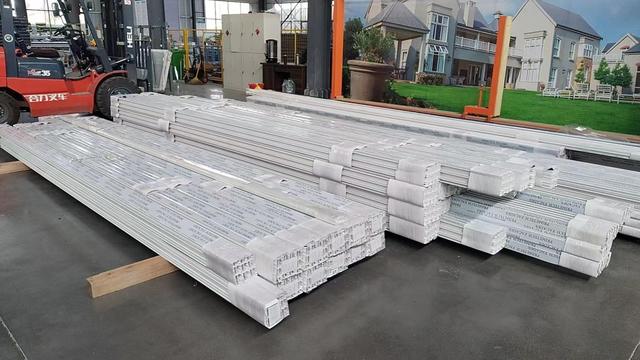
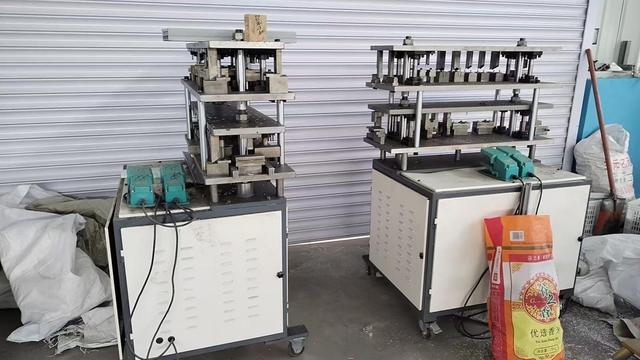
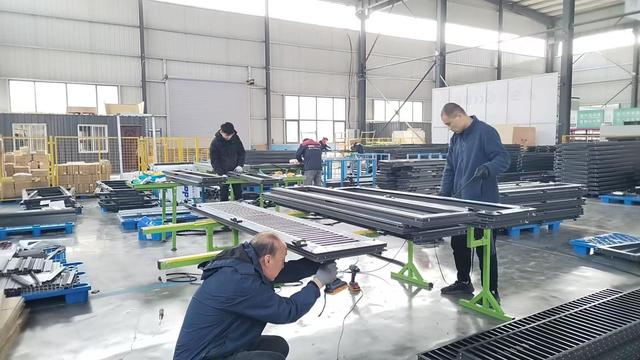
Shenzhen Nova Panel facility deployment showcases: 12,000+ sqm production lines, robotic multi-point welding, and full-spectrum weathering testing.
Technical clarifications on engineering tolerances, material longevity, smart building integration, and trade compliance.
Expanded solutions covering acoustic, bifold, sliding, and high-performance multi-chamber envelope assemblies.



 Nova Panel