
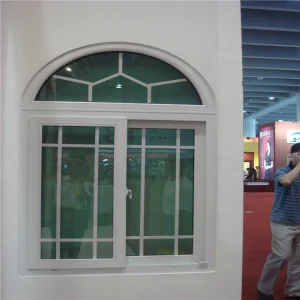
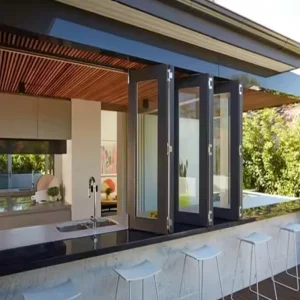
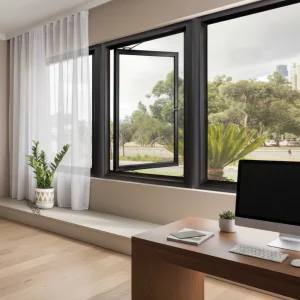
In contemporary civil and commercial engineering, structural glazing is no longer viewed merely as a transparent partition but as a critical envelope layer that determines a building’s resilience, thermal efficiency, and security index. As storm patterns intensify globally, standard annealed or semi-tempered glass and standard PVC profiles fall short of the engineering requirements demanded by coastal and metropolitan building codes.
Shenzhen Nova Panel Co., Ltd., established in 2011, has positioned itself at the forefront of this structural evolution. Specializing in high-performance uPVC (unplasticized Polyvinyl Chloride) impact-resistant window systems, the company bridges the gap between raw material science and field-level installation demands. The core advantage of uPVC over traditional aluminum lies in its low thermal conductivity, high galvanic corrosion resistance, and its chemical formulation which prevents degradation under extreme solar radiation.
"True impact resistance requires a synergistic combination of a reinforced, multi-chambered frame and laminated safety glass engineered to absorb kinetic energy without compromising structural seals."
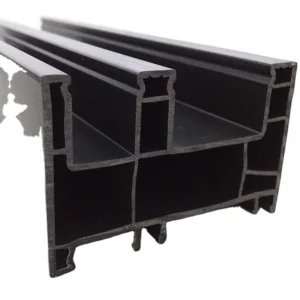
Our impact-resistant frames utilize high-impact modifiers integrated directly into the vinyl compound. These modifiers ensure that the profile retains elasticity at low temperatures and structural rigidity under elevated surface temperatures. Under impact stress—whether from windborne debris or forced entry attempts—the load is distributed evenly across internal steel reinforcements and structural multi-chambers, minimizing the risk of frame failure.
From our state-of-the-art facility in Shenzhen, China, spanning over 12,000 square meters, we support global infrastructure projects with highly customizable uPVC systems. With a workforce of more than 220 highly skilled technicians, engineers, and quality assurance specialists, Nova Panel has developed a streamlined supply cycle that handles high-volume commercial contracts while maintaining the agility needed for bespoke architectural layouts.
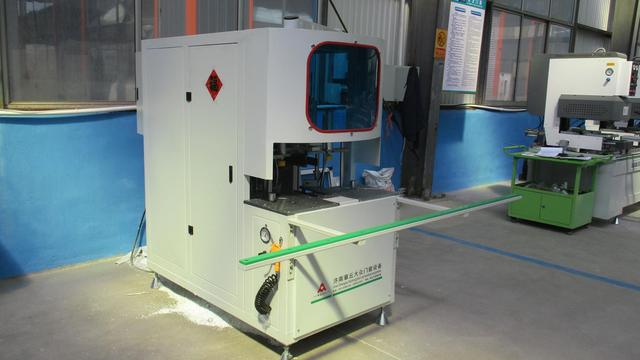
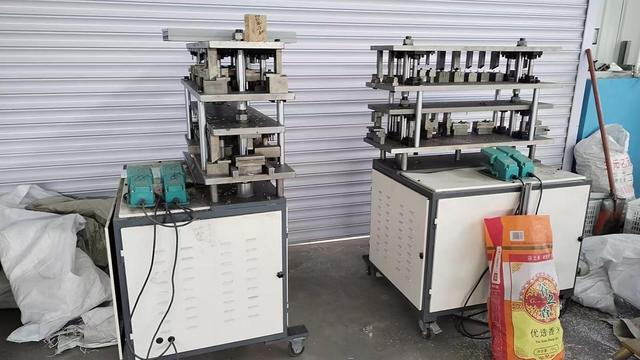
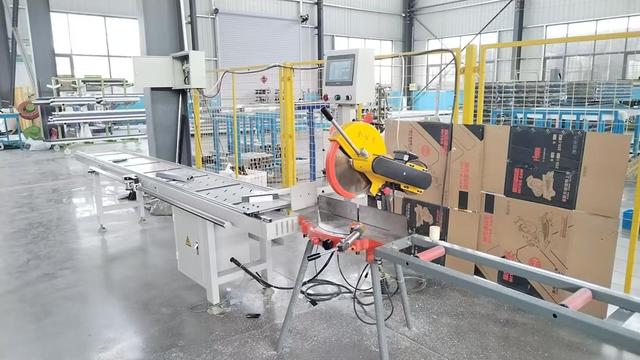
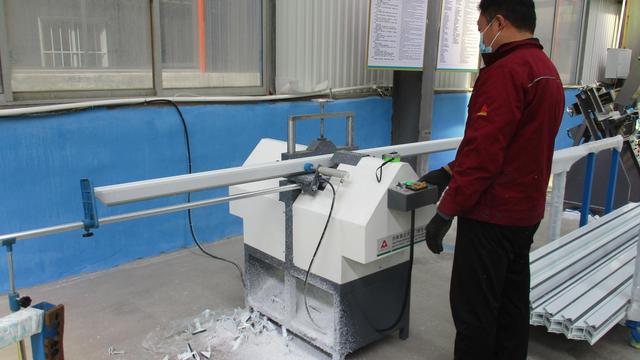
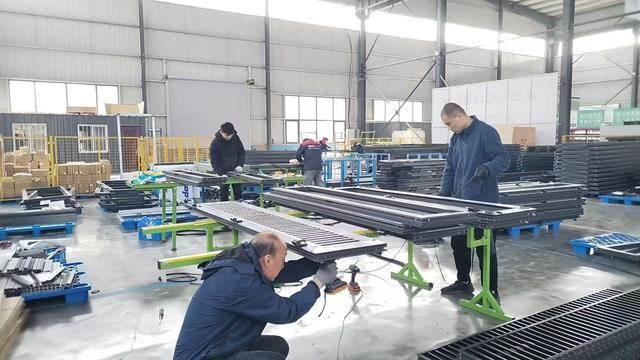
Our comprehensive production flow encompasses everything from precise material mixing and high-tolerance extrusion to automated CNC cutting and seamless double-head thermal welding. We utilize advanced extrusion lines that maintain micro-tolerance levels down to ±0.1mm, ensuring that sash-to-frame seals perform optimally when subjected to negative wind loads or torrential rainfall.
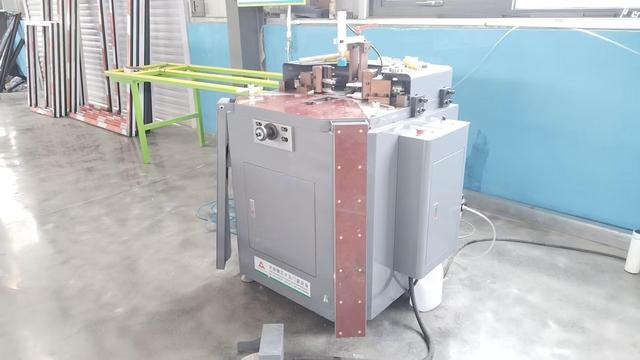
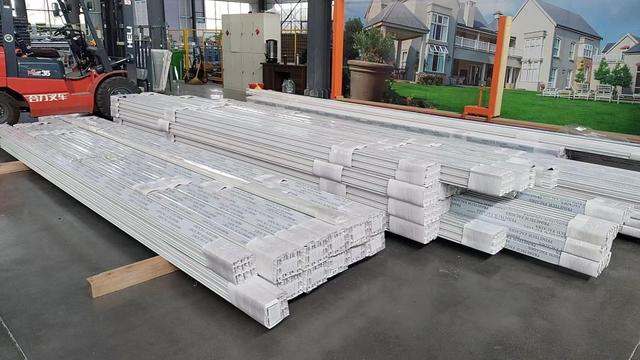
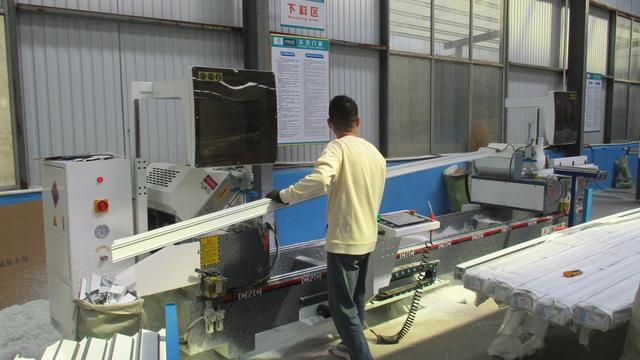
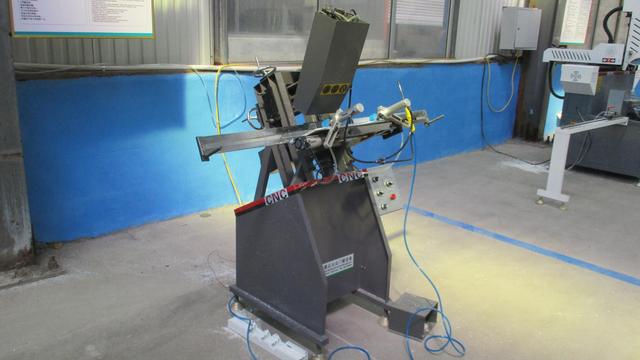
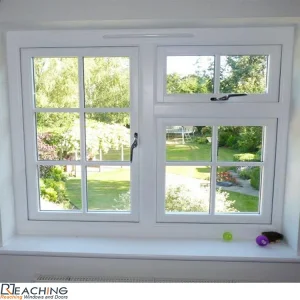
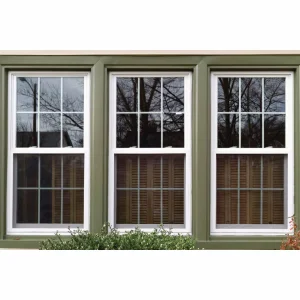
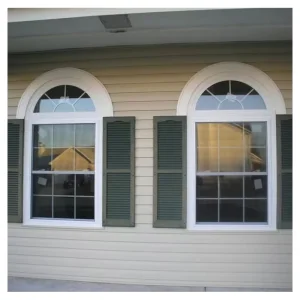
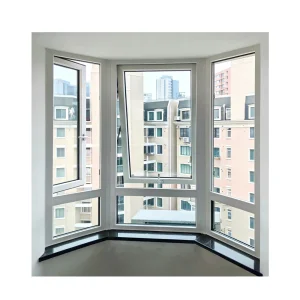
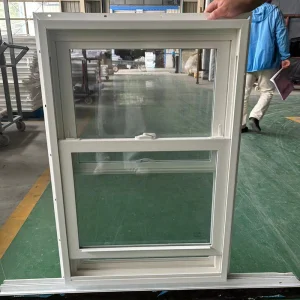
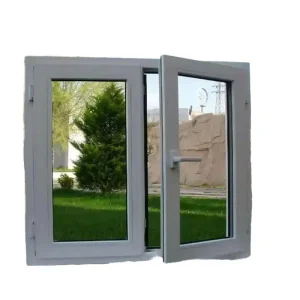
A dedicated team of design engineers works alongside architectural consultancies to supply bespoke OEM requirements, including tailored frame depths, specialized colors, co-extruded gaskets, and integrated fly screens. Whether matching the strict architectural guidelines of North American single-hung assemblies or fulfilling the highly demanding security standards of European tilt-and-turn units, our capability covers the entire design-to-delivery continuum.
The development path of Nova Panel's uPVC window systems is driven by three pillars: structural durability, advanced thermal mechanics, and environmental circularity. Below is the blueprint of our primary technical features designed to achieve industry-leading energy ratings and impact performance.
Integration of internal composite reinforcement chambers, eliminating the reliance on internal steel in moderate applications, while ensuring maximum rigidity under dynamic pressure load cycles.
Profiles designed with up to 6 distinct chambers that trap air pockets, effectively disrupting conductive thermal paths and yielding lower U-values (under 1.2 W/m²K when combined with Argon double glazing).
Strategic glazing options involving double and triple glazing with robust Polyvinyl Butyral (PVB) or SentryGlas Plus (SGP) interlayers designed to keep glazing intact during 140mph windstorms.
Moving forward, our engineering pipeline includes the incorporation of bio-based calcium-zinc stabilizers to completely phase out heavy-metal stabilizers, aligning our products with global circular economy goals and LEED building credentials. Furthermore, we are actively testing aerogel-insulated profile interiors which will lower thermal transmittance values by an additional 15-20%.
Climatic variations demand highly targeted structural designs. A window configuration built for the dry heat of Riyadh will perform poorly if installed without adjustment in the high-humidity, storm-susceptible coastal zones of Florida or the Caribbean. Nova Panel adapts profile wall thickness, glass density, and gasket material properties to deliver optimal performance:
These regions demand rigorous resistance to wind-borne debris and structural deflection. We supply heavy-duty uPVC frame systems reinforced with internal galvanized steel plates (thicknesses ranging from 1.5mm to 2.5mm). Combined with impact-grade safety glass, these systems withstand cyclic wind pressure and high-impact structural loads, satisfying critical building regulations like the Florida Building Code (FBC).
High UV indexes accelerate polymer degradation in low-quality vinyl windows, causing discoloration and structural embrittlement. Nova Panel uses a specialized formulation containing at least 9% titanium dioxide (TiO2) and premium-grade organic stabilizers. This ensures our profiles maintain structural integrity and color retention even after years of continuous tropical UV exposure.
In high-density commercial developments, acoustic control is vital for human health and structural comfort. Our multi-chambered profiles paired with multi-layer acoustic PVB laminated glass achieve sound transmission loss ratings of up to 45dB, creating quiet indoor environments next to busy transit hubs and commercial sectors.
Operating in Shenzhen, the silicon valley of hardware and advanced manufacturing, provides Nova Panel with access to a highly integrated industrial ecosystem. We source high-grade raw polymers, heat-reflective low-E glass coatings, and international-standard hardware locking mechanisms (such as Roto and Siegenia) from a network of trusted suppliers located within a two-hour radius.
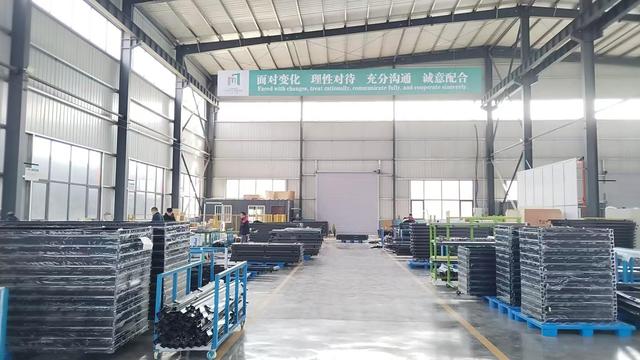
This local clustering of supply resources significantly reduces lead times, insulates us from unexpected global commodity shocks, and allows us to buffer critical materials for long-term projects. Furthermore, our close proximity to Shenzhen Port (Yantian & Shekou) provides direct ocean shipping routes to main hubs in North America, Europe, Australia, and South America, reducing domestic transit times and minimizing handling damage.
We recognize that entering global markets requires absolute adherence to regional standards. Our products are engineered and tested in accordance with international protocols, ensuring smooth project approvals and compliance with local building inspections:

 Nova Panel